25 in Dhaka

Understanding the psychology of high rollers in casinos
-
March 4, 2026
- Posted by: farukh
No Comments
The Allure of Risk: Understanding High Rollers
The psychology of high rollers in casinos is often intertwined with their attraction to risk and reward. These individuals are typically drawn to the thrill of gambling, seeing it less as a game of chance and more as an opportunity for excitement and potential gain. The adrenaline rush that accompanies high-stakes betting can be intoxicating, providing a sense of euphoria that is hard to replicate in everyday life. Additionally, many individuals explore online casino sites to enhance their gaming experience further.
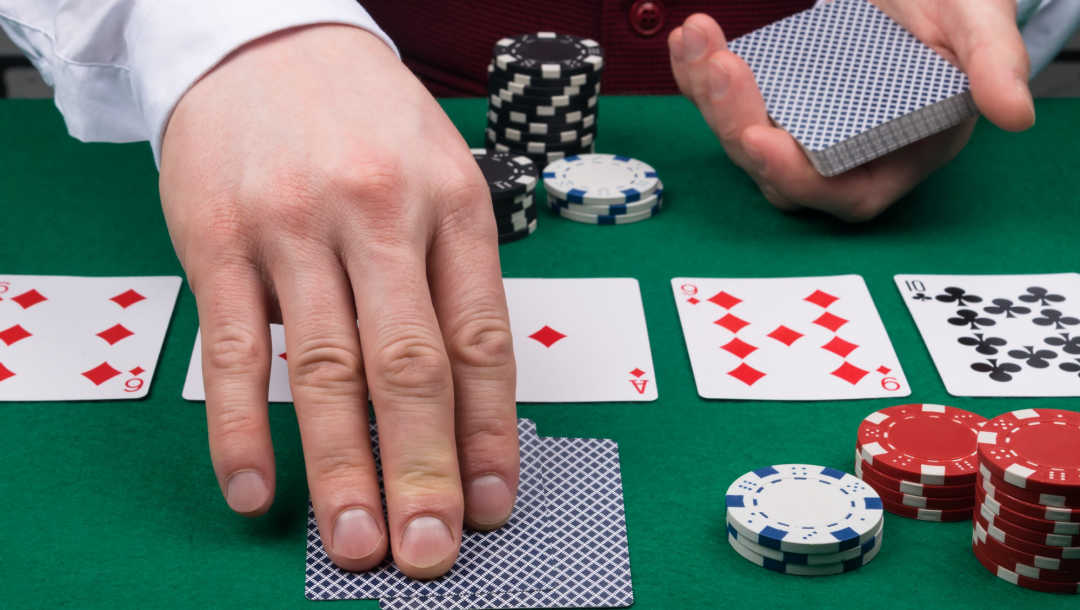
Moreover, high rollers frequently possess a greater appetite for risk due to their financial status. This willingness to stake significant amounts of money stems from a unique mindset where the potential for loss is perceived as a temporary setback. They may find the uncertainty of gambling to be invigorating, often seeking the exhilaration that comes from making bold decisions in high-pressure situations.
Social Dynamics and Status
The social aspect of gambling also plays a critical role in the psychology of high rollers. In many cases, these individuals enjoy the status that accompanies high-profile betting environments. Casinos often provide an exclusive atmosphere, allowing high rollers to engage with similarly affluent peers, creating a sense of camaraderie based on shared interests and financial clout.
This social dynamic not only reinforces their behavior but also heightens the sense of belonging to an elite group. High rollers might feel validated by their peers through displays of wealth and success, further driving their engagement with the casino lifestyle. The desire for social recognition can thus significantly influence their gambling habits.
Psychological Triggers and Decision-Making
Psychological factors play a vital role in how high rollers make decisions while gambling. Cognitive biases, such as the illusion of control and overconfidence, often manifest in their gambling behavior. High rollers may believe they possess superior skills or strategies that can influence the outcome, which can lead to increased wagers and risk-taking.
Additionally, the environment within casinos—complete with flashing lights, sounds, and the presence of other winners—can amplify these psychological triggers. The thrill of winning, even in small amounts, can create a feedback loop, encouraging further gambling. High rollers may find it difficult to recognize when to stop, leading to prolonged sessions that can further entrench their gambling habits.
The Influence of Marketing and Casino Incentives
Casinos actively target high rollers through specialized marketing and personalized incentives, which can significantly influence their behavior. Offers such as complimentary accommodations, private gaming rooms, and exclusive events create an appealing package that keeps high rollers returning. This tailored approach makes high stakes gambling more enticing and accessible for those who have the financial means.
Furthermore, high rollers often receive a level of customer service that enhances their overall experience. This bespoke treatment can reinforce their identity as valued patrons, making them more likely to continue gambling. The synergy between high rollers and casino marketing strategies illustrates how deeply rooted these psychological elements are within the gambling industry.
Ensuring a Safe Environment for High Rollers
While understanding the psychology of high rollers is crucial for casinos, it is equally important to ensure a secure environment for all patrons. Many establishments invest in advanced security measures to protect their guests and maintain a safe gambling atmosphere. This commitment extends beyond physical safety to digital protections that guard against potential threats.
By creating a secure and enjoyable space, casinos can foster an environment where high rollers feel safe to explore their interests in gambling. Understanding the psychological nuances of these gamers allows casinos to tailor their services, meeting the unique needs of high rollers while ensuring a responsible gambling culture is upheld. This blend of strategy and security creates a comprehensive approach that benefits both the players and the casinos.
